Game Appearances
- DWTD 1
- DWTD 2
- DWTD 3
Fun Trivia
- ✨Botch means to carry out a task badly
- ✨Wasps can sting multiple times unlike bees
- ✨The insect safety minigame requires stealth
- ✨Teaches respect for nature and its defenses
The Story of Botch
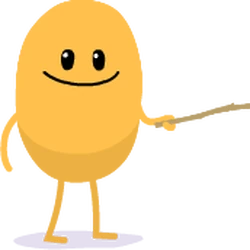
Botch's bright yellow color mirrors wasp warning coloration, but the character ignored nature's danger signals. The name "Botch" (meaning to carry out a task badly or ruin it) describes someone who would disturb a wasp nest without good reason - there's no way to do that task well because it shouldn't be done at all. His fatal decision teaches about respecting wildlife, understanding natural defenses, and the importance of leaving dangerous creatures undisturbed.
The scenario addresses both a specific danger (wasp nests) and a broader principle. Wasps are defensive insects that attack perceived threats to their nests. Unlike bees that can only sting once, wasps can sting repeatedly, and swarms can be deadly especially for those with allergies. Botch's decision to disturb them "for no good reason" highlights how many wildlife encounters result from unnecessary human interference rather than unavoidable confrontation.
What makes Botch particularly effective is the phrase "for no good reason." If there's a wasp nest in a dangerous location near homes or playgrounds, professionals can be called to relocate or remove it safely. But Botch represents the person who pokes at nests out of curiosity, boredom, or bravado - unnecessary risks taken for no benefit. The character reminds us that nature's dangerous creatures usually leave us alone if we leave them alone, and that many wildlife conflicts are entirely avoidable if we simply respect their space.
Gameplay and Minigames
Botch's insect safety minigames emphasize avoidance, respect for wildlife space, and understanding when to call professionals. Players learn to identify dangerous insect nests, give them wide berth, and recognize that some situations require expert intervention rather than personal action.
In the original game, players encounter various insect nests and must choose how to respond. The game rewards keeping distance, warning others about nest locations, and calling pest control professionals. It punishes curiosity, poking, throwing things at nests, or any interaction that might trigger defensive behavior. Success comes from recognizing that satisfying curiosity about a nest isn't worth the risk.
Later versions expand with broader outdoor safety scenarios: identifying different stinging insects and their threat levels, understanding that some insects (like bees) should be preserved while others might need professional removal, recognizing allergic reaction symptoms and emergency responses, and learning proper procedures for reporting dangerous nests in public spaces. These variations teach comprehensive insect awareness and safety rather than just fear.
Expert Tips for Botch's Minigame
- If you see a wasp nest, immediately back away slowly - never approach or disturb it
- Never throw objects at nests, poke them with sticks, or intentionally provoke insects
- If a nest is in a dangerous location, call pest control - don't handle it yourself
- Watch for wasp activity indicating nearby nests - increased flying in one area means danger
- Remember: wasps can sting multiple times and recruit other wasps to defend the nest